Author name: insap

PRESS STATEMENT: Malaysia’s Resilience Amidst Weaponisation of Global Economic Systems

The Institute of Strategic Analysis and Policy Research (INSAP) had the honour of participating in a thought-provoking forum entitled “Weaponisation of Economics and Restoring the Global Economic Order” on 13 June 2024 at Universiti Kebangsaan Malaysia (UKM).

Resonating with the crowd, INSAP calls for the Malaysian administration and neighboring ASEAN countries to take proactive steps that will strengthen regional economic resilience while also ensuring effective contribution to maintaining the functionality of the multilateral trading system which has been vital to the region over the past century
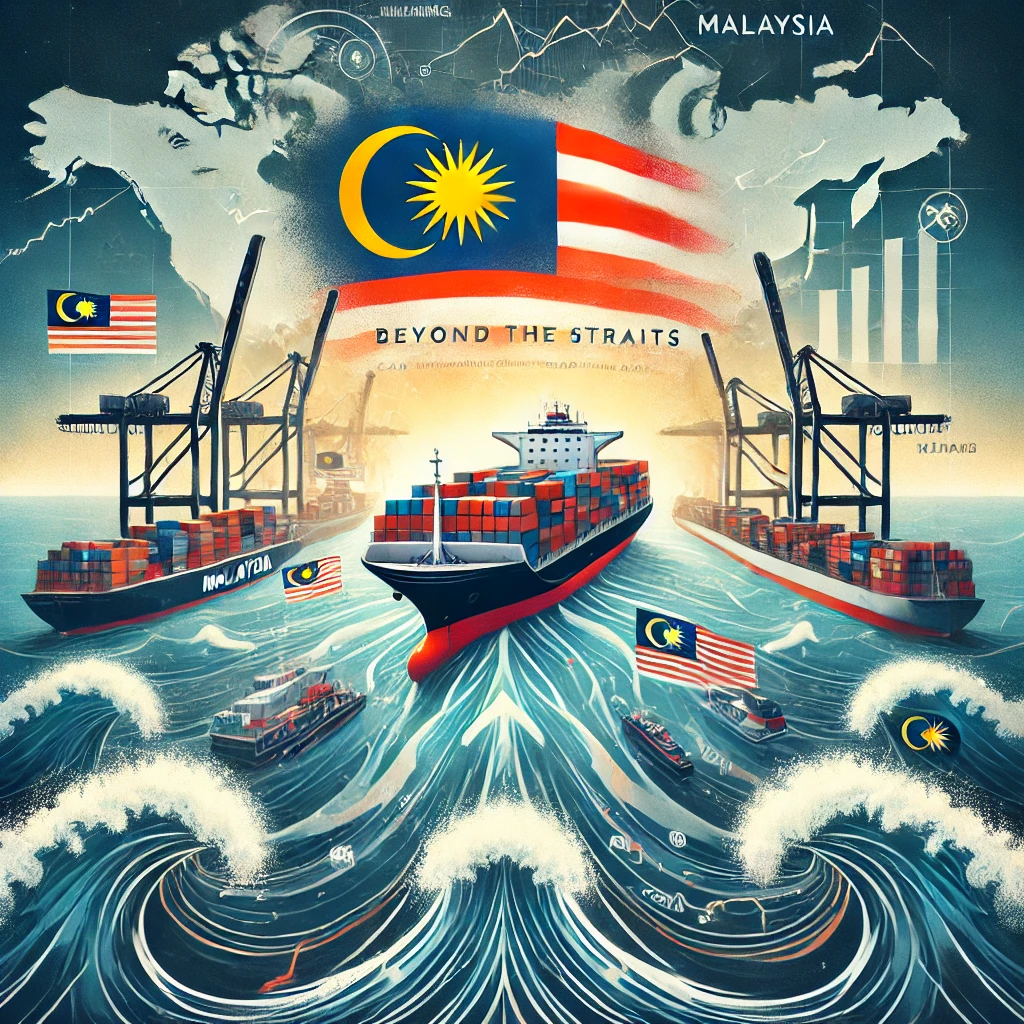

COMMENTARY: Beyond the Straits: Can Malaysia Survive the New Trade Landscape?

Imagine a calm sea, a maritime landscape where Malaysia has charted its course for decades. Its ports, like lighthouses, have guided global trade, brought prosperity and solidified its position. This audacious plan to sever the Isthmus of Kra, creating a land bridge between the Andaman Sea and the Gulf of Thailand, threatens to disrupt this carefully crafted equilibrium. Cambodia’s proposed canal, a China-backed project, adds fuel to the fire. This ambitious undertaking aims to divert Mekong River trade away from Vietnam and potentially towards Thailand, potentially fracturing established trade routes in the region. The question that grips Malaysia, like a ship caught in a sudden squall, is this: will these new trade landscape capsizes its competitiveness in international trade?
Through the lens of a Thucydides Trap, Thailand’s potential windfall from the Kra Land bridge could inadvertently imperil Malaysia’s economic standing. The Kra Bridge, a shortcut between the Indian and Pacific Oceans, could siphon away shipping traffic, the lifeblood of Malaysian ports like Port Klang and Penang. Days shaved off journeys between Europe and East Asia could translate into a decline in cargo volume for Malaysia, a potential blow that echoes the anxieties Singapore felt during Malaysia’s ascendance.

Tourism Enigma: Are We Missing the Low-Hanging Fruit?

For decades, Malaysia’s economic fortunes have been tied to the volatile tides of commodity prices. This overreliance on a narrow range of exports leaves us vulnerable to external shocks and hinders sustainable long-term growth. However, a glimmer of hope emerges from an unexpected source: tourism. The recent surge in tourist arrivals, with a staggering 32.5%1 increase compared to last year, presents a golden opportunity we cannot afford to miss. This is not just about generating revenue; it’s about seizing a low-hanging fruit to revitalize our economy and strengthen the Ringgit.

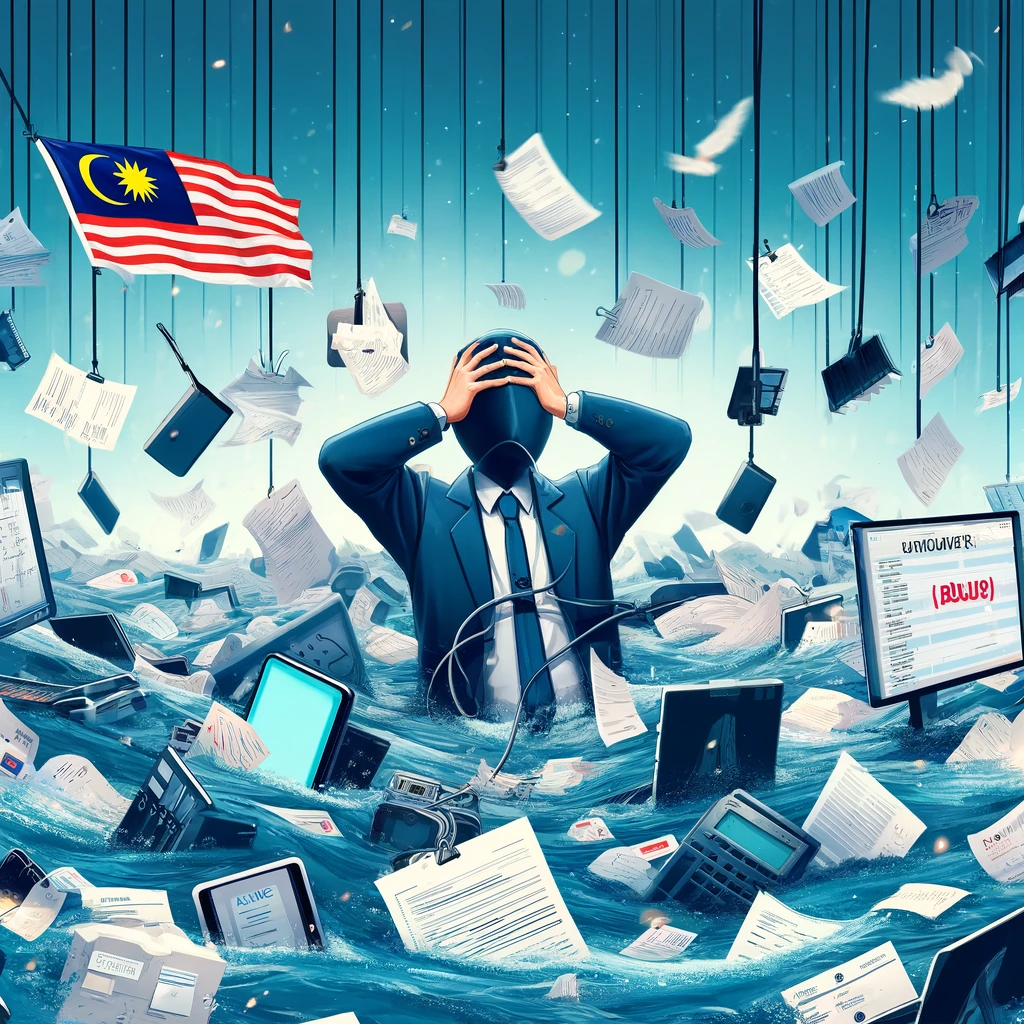
Sink or Swim: The e-Invoicing Conundrum

The Malaysian government’s push for e-invoicing intended to streamline tax collection and improve efficiency, presents a multitude of challenges that threaten to undermine its effectiveness. A closer look reveals a policy riddled with shortcomings that could disproportionately burden businesses, particularly small and medium enterprises (SMEs).
E-invoicing in Malaysia faces many challenges related to business readiness. The limited timeframe for integration creates a logistical obstacle and businesses must choose between manual invoice generation (slow and error-prone) or integrating their existing Enterprise Resource Planning (ERP) systems with the designated platform.1 This integration, whether through an API or a provider, requires internal IT teams to make system changes, conduct testing, and prepare for potential strain. This tight timeline, coupled with the complexity of integration options, raises concerns about the feasibility of businesses being fully prepared for the e-invoicing mandate.

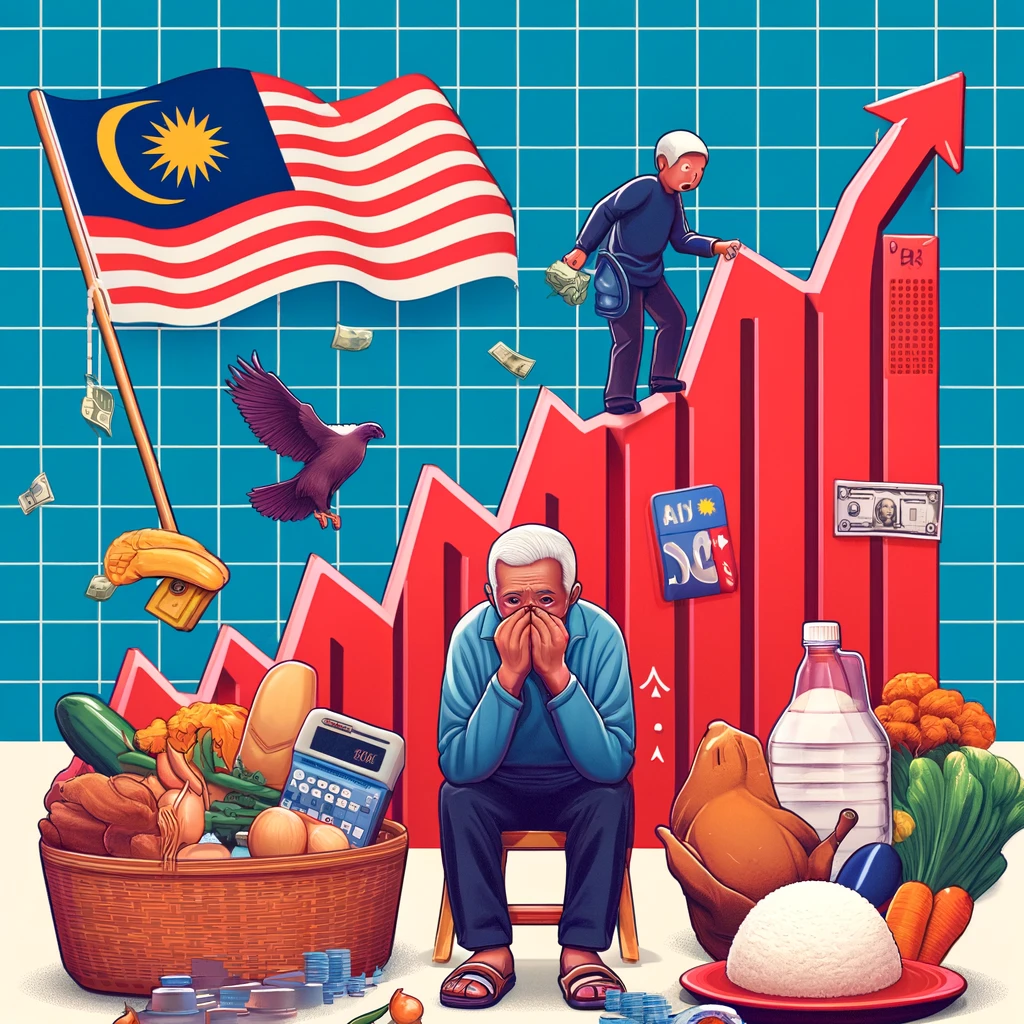
OP-ED: THE CONTRADICTORY ECONOMIC INDICATORS – THE REAL COST FOR ORDINARY MALAYSIANS

A survey by the UCSI Poll Research Centre published in February this year had delivered a painful revelation: an overwhelming 89% of Malaysians are deeply troubled by the rising cost of living, with a nearly equal 87% currently grappling with severe financial stress.
The cost of living (COL) will remain a mountainous challenge for us, even with the easing of headline inflation and forecasts of stronger economic growth in 2024. COL has become a systemic issue, and our Ringgit value has plummeted, exacerbating financial strain across the nation.
The average Malaysians are feeling the pinch as the country’s economy grew slower than expected in the fourth quarter of 2023, with subdued exports contributing to one of the weakest GDP growth rates in recent history.

COMMENTARY: Tsunami is Coming: Are Malaysians Ready?

The International Monetary Fund (IMF) has recently released a report outlining the significant impact artificial intelligence (AI) will have on the global workforce. The report suggests that as much as 40% of jobs worldwide could be affected by AI within the next two years, with advanced economies facing an even greater risk of disruption at 60%.

COMMENTARY: The Malaysia CPI: Why the Numbers Don’t Add Up

For most Malaysians, the rising cost of living is a constant worry that our ringgit just doesn’t stretch as far as it used to. Yet, when the government trots out the official inflation rate, a sense of disconnect often sets in. The numbers simply don’t seem to capture the daily struggles faced by ordinary citizens. This begs the question: is the inflation rate a reliable indicator of our cost of living, or is it a flawed metric that masks a harsher reality?

The answer, unfortunately, leans towards the latter. The Consumer Price Index (CPI) is the most common measure of inflation and tracks the average price changes of a fixed basket of goods and services and in this case, designed to represent typical Malaysian household spending patterns. But therein lies the challenge: “typical” doesn’t necessarily translate to everyone’s reality.

INSAP Petition: Bring Back GST

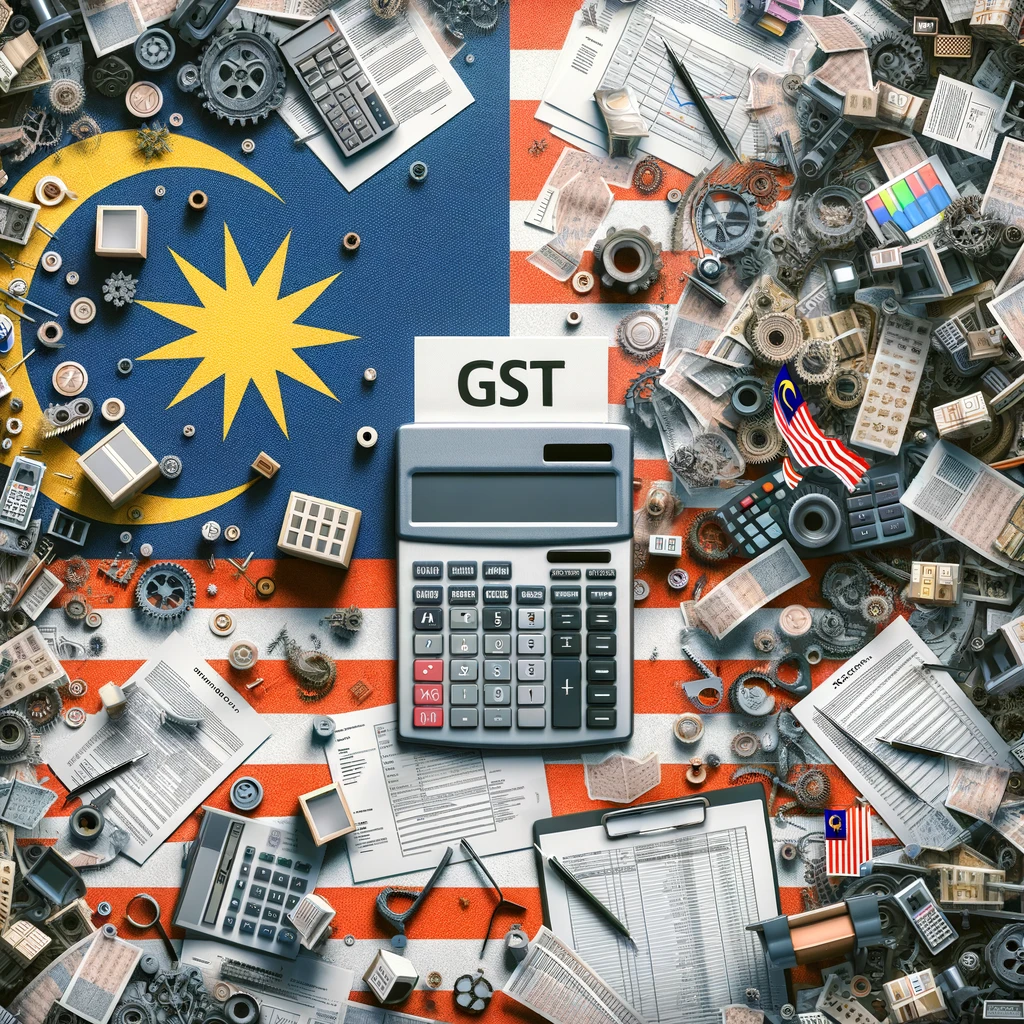
The Institute of Strategic Analysis and Policy Research (INSAP) calls on the government to reintroduce the Goods and Service Tax (GST) in view of the complaints from businesses and consumers on the complexity of the existing tax system, the Sales and Service Tax (SST).

Instead of introducing various forms of taxes to increase government revenue, the government should implement a broader tax base with a single, transparent system like GST. This would streamline tax collection for the government and reduce the administrative burden for businesses struggling with the current complexities.

By reintroducing GST, the government would not only collect more revenue but also reduce the tax burden. Unlike the Sales and Service Tax (SST), which creates a “tax-on-tax” effect by taxing businesses on previously taxed inputs, GST ensures a fairer system where the final consumer bears the tax. This cascading effect under the current SST structure artificially inflates prices for everyone.

Scroll to Top