Research 2023

The Thailand-Malaysia Special Economic Zone (SEZ): Addressing Balanced Development, Border Security & the Beginning of ASEAN Synergy

Formal large-scale conversations on Malaysia-Thailand Special Economic Zone (SEZ) took place in late 2023 when Malaysia’s Prime Minister Datuk Seri Anwar Ibrahim and his Thailand counterpart (now former Prime Minister) Srettha Thavisin with an announcement that both countries agreed to turn the border shared between the two countries into a trade zone. As official discussions between the two governments resume with the new Thai Prime Minister Paetongtarn Shinawatra, when it happens, it becomes increasingly imperative to delineate clear implementation strategies for the proposed Northern Malaysia–Southern Thailand SEZ, complete with well-defined timelines and actionable frameworks.
At the same time, there is no doubt that Malaysia will continue the ASEAN centrality and integration agenda in order to make regionalism work, when it takes over the ASEAN Chairmanship in 2025. At the same time, Malaysia and ASEAN for that matter, needs to acknowledge that the bilateral arrangements and cooperations between member states, such as the Malaysia-Thailand cooperation, are also important component that could complement the ASEAN framework as a whole.
Rather than competing, this collaboration presents an opportunity for genuine integration through joint operations, where industries complement rather than compete with each other, embodying true vertical integration. This approach perfectly aligns with what could be an ASEAN Synergy 2025 – though not an official vision, it embodies the spirit INSAP believes we should strive for.

Lives Disrupted: The Hidden Costs of Bankruptcy

Malaysia’s household debt to GDP level was 65.6% in March 2024, which is the highest in Southeast Asia. Bankruptcy cases have also reached a stage that warrants policy review of the current economic conditions and loan structure that may lead debtors deeper into debt. The latest bankruptcy trends among youth, at 54.3% out of the total of national bankruptcy cases, mean policymakers need to dive in to understand why and how younger Malaysians are getting into difficult financial situations – is it caused by a lack of financial literacy or inherent problems in the economy? 

A more universal approach, with more decisive government intervention, is critical. By addressing the root causes of financial distress, for example, through comprehensive economic reforms, improving salary and income structures in the country, providing new sources of economic growth, and creating high-skilled jobs, the government can address the need for loans and prevent Malaysians from defaulting on loans and financial obligations.

PRESS STATEMENT: Insights from the N29 Mahkota By-Election: Shifting Dynamics and Strategic Implications

The N29 Mahkota by-election provides valuable insights into the evolving political dynamics in Johor and Malaysia as a whole. As the results come in, it is clear that this by-election is not just a reflection of support for individual candidates but a broader measure of party influence, voter sentiment, and the effectiveness of electoral strategies. The outcome of this election offers a unique opportunity to analyse the performance of political parties within the Unity Government and how the shifting alliances and coalitions are shaping the future political landscape.
Preliminary observation from the results of the N29 Mahkota by-election reflects a vote of confidence in Barisan Nasional (BN) and its leadership, particularly in Johor under Menteri Besar Dato’ Onn Hafiz Ghazi. This outcome highlights the continued trust placed in BN by voters and underscores its ability to lead Johor’s development moving forward.

Malaysian Ringgit’s Strength: The True Story

In recent weeks, the Malaysian Ringgit (RM) has shown remarkable strength, breaking significant psychological barriers and trading at multi-year highs against the US Dollar (USD) and other major currencies. This upward movement is driven primarily by a complex interplay of external factors rather than internal political machinations. As the ringgit strengthens, we must assess the underlying global conditions which is primarily the US Federal Reserve’s (Fed) decisions and other key economic and geopolitical developments. These elements serve as a reminder that currency movements in an increasingly interconnected global economy are rarely attributable to isolated domestic conditions alone.

A New Global Landscape: Strategic Opportunities in the Malaysia-Russia Relationship

In the evolving landscape of global geopolitics, Malaysia’s decision to deepen its ties with
Russia offers significant opportunities that go beyond traditional economic partnerships. This
move reflects Malaysia’s strategic shift toward diversifying its economic and geopolitical
relationships, particularly within the context of the multipolar world order. Russia, with its
substantial resources, growing markets, and increasing focus on sectors like energy and Halal
products, presents an untapped potential for Malaysia. As the global power balance shifts,
Malaysia stands to gain economically and politically by capitalizing on Russia’s growing
influence, particularly in industries that align with Malaysia’s expertise and aspirations.

Shrinking Trade Surplus: Is Malaysia Losing its Bite?

In recent months there is a significant reduction in its trade surplus, dipping to levels not seen
since 2018. This development, as reported in July 2024, raises critical questions about
Malaysia’s economic trajectory and its place in the rapidly evolving global economy. As we
delve into this issue, it is imperative to contextualize Malaysia’s trade performance within the
broader economic shifts of the past five years and examine the implications of these changes
on the nation’s long-term economic strategy.

CREATING LONG-LASTING PEACE

The meeting between Jake Sullivan, the U.S. National Security Advisor, and Wang Yi, the Chinese Foreign Minister, in Beijing last week was a significant diplomatic event. As an on-going effort to manage and navigate the complex relationship between the United States and China, the meeting between the key officials from the two of the world’s largest and most influential powers is a positive step positive progress towards creating long-lasting peace and avoid direct conflicts.

Here’s our view.

The ASEAN Express: A New Era of Trade Connectivity

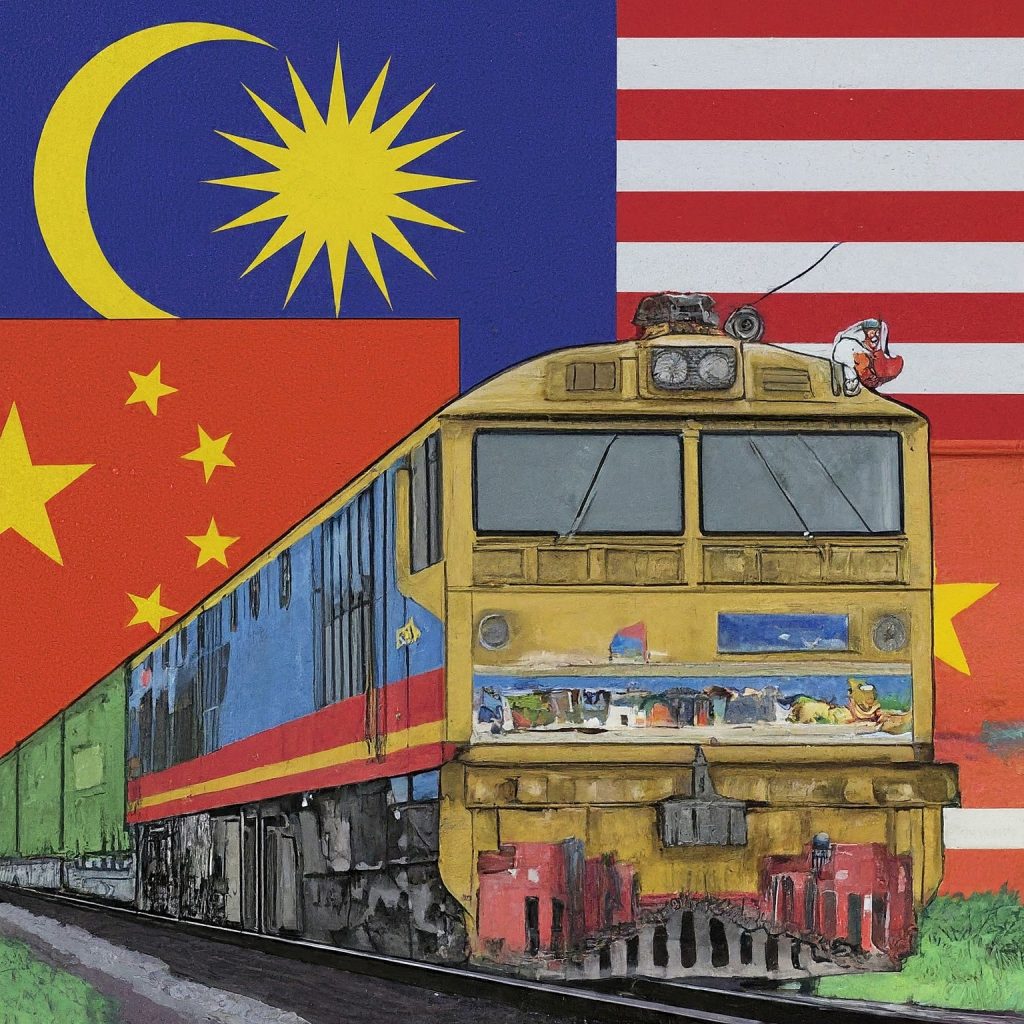
The inauguration of the new freight train service between Malaysia’s Selangor and China’s
Yunnan province marks a significant milestone in the ever-evolving economic relationship
between ASEAN and China. As the Belt and Road Initiative (BRI) continues to reshape the
global trade landscape, this new rail link serves as a testament to the deepening ties between
Southeast Asia and China, particularly in the realm of trade and logistics. The introduction of
this service not only underscores the strategic importance of rail connectivity in the region but
also heralds a new era of economic integration that promises to boost bilateral trade, enhance
regional interconnectivity, and catalyse growth for Malaysia and its ASEAN neighbours.

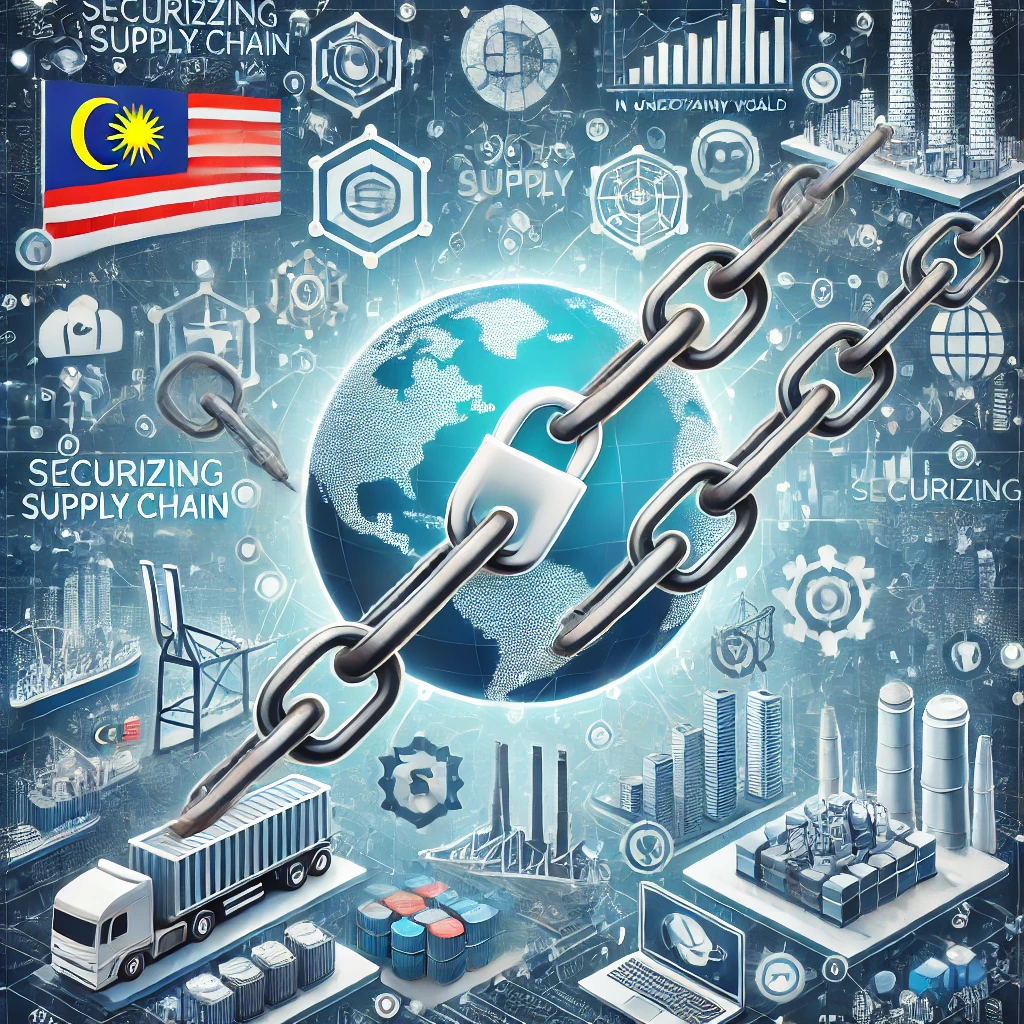
Securitizing Malaysia’s Supply Chain in an Uncertain World

Malaysia, once a tranquil backwater of the global economy, has been lately awakened to the harsh realities of our interconnected world. The cascading effects of the pandemic, coupled with the geopolitical tempest, have laid bare the vulnerabilities of our supply chains. These are not mere economic inconveniences but existential threats that demand a radical rethinking of our strategic posture to fortify our supply chains against the uncertainties of the contemporary world.

Scroll to Top